
Premium paint protection film (PPF) will not prematurely peel, bubble, or yellow when made from high-grade materials and installed by experienced professionals. Backed by 10-year warranties, modern films maintain exceptional clarity and structural integrity for years. When degradation does occur, it is almost exclusively caused by poor installation, neglected maintenance, or outdated, low-grade PVC materials. Understanding the science behind modern PPF ensures your factory finish remains hidden from environmental threats without altering your car’s aesthetic or resale value.
The Evolution of Automotive Protection: Why Modern Films Stand the Test of Time
Older generations of clear bras relied heavily on polyvinyl chloride (PVC). While PVC provided a rigid physical barrier, it lacked flexibility and possessed poor resistance to ultraviolet (UV) radiation. Over exposure to intense sunlight, these early films would become brittle, crack, and develop a distinct yellow hue.
Today, our commitment to innovation has completely shifted what is possible for automotive protection. Top-tier films feature thermoplastic polyurethane (TPU), an incredibly durable, optically clear, and highly flexible polymer that does not react with UV light or atmospheric pollutants. Modern TPU engineering introduces elastomeric properties to the top coat, providing self-healing capabilities that allow minor scratches and swirl marks to disappear entirely with the application of mild heat from the sun or warm water.
Why PPF Bubbles: The Crucial Role of Expert Knowledge and Experience
Trapped bubbles are rarely a failure of the film itself; they are almost always caused by poor surface preparation or careless squeegee techniques during application. This phenomenon generally stems from three primary factors:
- Surface Contamination: If microscopic dust, grease, or old wax remain on the clear coat, the adhesive cannot bond properly, creating air and moisture pockets.
- Improper Slip Solution Management: If technicians fail to evacuate all positioning solutions using exact squeegee pressure, hollow air pockets form once the trapped water evaporates.
- Edge Lifting: If an installer lacks the expertise to tightly wrap and tack down the edges of a panel, the film will peel back and allow air and dirt to compromise the installation.
Comparing Film Generations: Old PVC vs. Modern TPU
To visualize how drastically the industry technology has improved, look at how older material behaviors stack up against the premium materials used by professionals today:
Preventing the Peel: Advanced Adhesives and Precision Workmanship
Peeling occurs when the adhesive bond between the protective film and the vehicle’s paint system breaks down. High-performance films leverage advanced, pressure-sensitive acrylic adhesives designed to withstand extreme temperature fluctuations, high-pressure car washes, and intense wind resistance at highway speeds.
However, even the most advanced adhesive can fail if the environment during installation is not tightly regulated. Professional installation bays must be entirely climate-controlled and free of airborne dust. If the ambient temperature is too cold during the application, the adhesive will not activate correctly: if it is too hot, the adhesive can cure prematurely, leading to distortion and future peeling.
Saying Goodbye to Yellowing: UV Resistance and Environmental Shielding
The dreaded yellowing of clear bras is a relic of outdated technology and cheap, unbranded films. Modern premium materials are structurally engineered to resist the damaging effects of solar radiation. Aliphatic polyurethane films do not possess the chemical vulnerabilities that cause aromatic polymers to discolor under UV exposure.
In addition to UV resistance, high-grade films feature an advanced clear coat that mimics the properties of a ceramic coating. This top layer is highly hydrophobic and non-porous, acting as an impervious shield against environmental contaminants that traditionally stain or discolor film, such as:
- Acid rain and industrial fallout
- Harsh mineral deposits from hard water
- Tree sap, bird droppings, and bug splatter
- Road tar and chemical de-icers
Real-World Protection Across Varied Climates
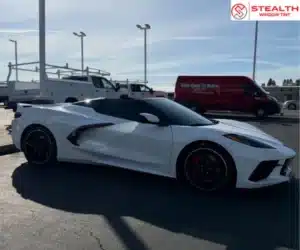
Vehicle owners navigating the distinct seasonal shifts of Northern California, particularly around the agricultural corridors and sun-drenched roadways, have unique environmental challenges. The combination of intense summer heat and flying highway debris can wreak havoc on unprotected front bumpers and hoods. To combat these diverse regional conditions, high-performance protective film is an absolute necessity to shield your finish from sustained sunlight and loose gravel.
Similarly, our team has applied advanced coatings to vehicles in the surrounding regions, noting that local road conditions frequently kick up loose stones and orchard dust. When deploying paint protection film in Chico, CA, we utilize specialized techniques that account for these exact regional challenges, ensuring the film remains perfectly adhered and completely clear despite heavy exposure to UV rays and abrasive dirt.
Investing in paint protection film in Chico provides a permanent defense mechanism, safeguarding your vehicle’s front clip from the inevitable rock chips encountered during daily commutes across the valley.
Choosing a dedicated provider for your Chico paint protection film needs guarantees an installation optimized for both longevity and maximum environmental resistance.
Our Proprietary Philosophy: Redefining Automotive Longevity
At the heart of our operations lies a steadfast commitment to delivering unparalleled quality and customized care. We believe that safeguarding your investment shouldn’t involve compromises, which is why we have engineered a proprietary approach centered on delivering comprehensive protection through quality service.
Our business model rejects the one-size-fits-all methodology utilized by high-volume, low-quality shops. Instead, we combine cutting-edge technology with a meticulous, multi-step installation process. We handle every vehicle as if it were our own, utilizing advanced precision-cut software plotting systems alongside expert hand-trimming to provide a truly seamless finish. By pairing our deep industry expertise with premium materials, we eliminate the common points of failure like edge lifting, bubbling, and premature wear, providing our clients with absolute peace of mind and unmatched durability.
How to Care for Your Film to Ensure Max Lifespan
While advanced technology heavily mitigates the risk of film degradation, proper post-installation maintenance plays a vital role in extending the lifespan of your clear bra. Follow this step-by-step guide to keep your film looking flawless for a decade or more:
Step 1: Allow for Adequate Curing Time
After installation, keep your vehicle out of direct water contact and avoid washing it for at least 48 to 72 hours. This allows the pressure-sensitive adhesive to fully cure and anchor securely to the paint clear coat.
Step 2: Use Correct Wash Techniques
Always use a dedicated microfiber wash mitt and a pH-neutral automotive shampoo. When utilizing a pressure washer, keep the nozzle at least 12 inches away from the edges of the film to avoid accidental lifting from extreme water pressure.
Step 3: Address Contaminants Promptly
Although modern films are highly stain-resistant, highly acidic substances like bird droppings, tree sap, or bug splatters should be wiped away as soon as possible. This prevents potential etching of the self-healing top coat during intense heat cycles.
Step 4: Apply Approved Sealants or Coatings
Enhancing your film with a specialized ceramic coating or a PPF-safe sealant adds an extra layer of hydrophobicity. This makes ongoing maintenance even easier, sheets off water effortlessly, and amplifies the film’s deep gloss.
People Also Ask
How long does high-quality paint protection film typically last?
When utilizing premium materials and professional installation, high-grade PPF typically lasts between 7 to 10 years. Most premium films come backed by a comprehensive 10-year manufacturer warranty covering cracking, yellowing, peeling, and bubbling.
Can PPF be safely removed from a vehicle?
Yes. Professional paint protection film can be safely removed without damaging the original factory paint beneath it. Technicians utilize controlled heat and specialized clean-stripping techniques to release the adhesive bond cleanly.
Can you wax or ceramic coat over paint protection film?
Yes, you can apply a ceramic coating or specialized wax over your film. In fact, adding a ceramic coating is highly recommended as it bonds with the film’s top coat, enhancing stain resistance, UV protection, and hydrophobic performance. However, avoid using waxes containing dyes, abrasive polishes, or heavy petroleum distillates.
Elevate and Safeguard Your Investment Today
Your vehicle is more than just a mode of transportation; it is an extension of your lifestyle and a significant financial investment. Don’t let the fear of peeling, bubbling, or yellowing prevent you from securing the absolute best defense available on the market today.
At Stealth Window Tint, we operate as your trusted automotive enhancement partner, combining cutting-edge technology with exceptional craftsmanship to deliver tailored results with precision and care. Whether you are looking to guard your daily commuter or protect your exotic weekend cruiser, our customer-centric team is ready to guide you through every step of the process.
Ready to experience the ultimate peace of mind on the open road? Contact us today to schedule your personalized consultation or request a free quote.