
Boat paint protection film handles saltwater exposure by creating a durable barrier between marine conditions and painted surfaces. Quality marine-grade film helps protect covered areas from salt, UV exposure, water spots, minor abrasions, and contaminants while helping preserve the boat’s finish.
How Does Marine PPF Protect Against Saltwater?
Saltwater can expose a boat’s painted surfaces to salt deposits, minerals, water spray, sand, debris, and sunlight. While routine cleaning remains essential, paint protection film adds a physical layer between these environmental factors and the underlying finish.
When saltwater reaches a covered surface, the film takes the initial exposure. This helps reduce direct contact between salt, contaminants, and the paint. It can also help defend against minor abrasions caused by routine handling, docking, and everyday boating activities.
However, no protective film makes a boat completely immune to marine exposure. It works best as part of a complete maintenance strategy that includes proper cleaning and professional installation.
Creates a Protective Barrier
PPF provides a physical layer over selected painted surfaces. This means contaminants interact with the film before reaching the underlying paint.
High-contact areas such as bow sections, gunwales, transoms, and boarding areas can particularly benefit from this added protection.
Helps Manage Marine Contamination
Saltwater is only one source of contamination. Boats can also encounter sand, grit, minerals, dirt, and organic marine debris. Removing these contaminants regularly helps maintain the appearance of both the film and the surrounding finish.
For boat owners researching boat paint protection film in Yuba City, understanding this maintenance requirement is important. A protective layer provides added defense, but regular care helps maintain its appearance and performance.
What Happens to Boat PPF During Repeated Saltwater Exposure?
Repeated saltwater exposure creates a cycle of wetting, drying, contamination, and UV exposure. When water evaporates, salt and minerals may remain on the surface. If these deposits are left for extended periods, they can affect the film’s appearance.
A typical exposure cycle involves:
- Saltwater contacts the film.
- Water evaporates and leaves residue.
- Salt and minerals accumulate if not removed.
- UV exposure continues affecting the surface.
- Freshwater rinsing removes contamination.
The distinction between normal saltwater exposure and neglected contamination matters. Marine-grade PPF is designed for demanding conditions, but it still needs appropriate care.
Which Boat Surfaces Benefit Most From PPF?
PPF does not necessarily need to cover every painted surface. Strategic installation can focus protection on areas that experience the greatest exposure, contact, or abrasion.
High-Contact Areas
These may include:
- Bow sections
- Gunwales
- Transom areas
- Boarding zones
- Docking contact points
- Frequently handled painted surfaces
High-Exposure Areas
Surfaces frequently exposed to water spray, sunlight, and marine contaminants may also benefit. A professional installer can assess the vessel and determine where custom protection makes the most sense.
For a Yuba City, CA boat paint protection film project, this personalized approach helps ensure the installation matches the boat’s design and usage.
What Makes Marine-Grade PPF Suitable for Boats?
Marine-grade PPF: A paint protection film selected for demanding marine applications and environmental exposure.
Thermoplastic polyurethane (TPU): A flexible material commonly used in premium PPF for its combination of clarity, flexibility, and protective properties.
Weatherproof adhesive: An adhesive system designed to maintain reliable bonding under changing environmental conditions.
Self-healing technology: A feature that can allow certain minor surface marks to diminish with suitable heat or environmental conditions.
UV protection: The ability of the film to help shield covered surfaces from ultraviolet exposure.
Corrosion resistance: A protective consideration that can help reduce environmental exposure to protected surfaces, although PPF is not a replacement for dedicated corrosion-control procedures.
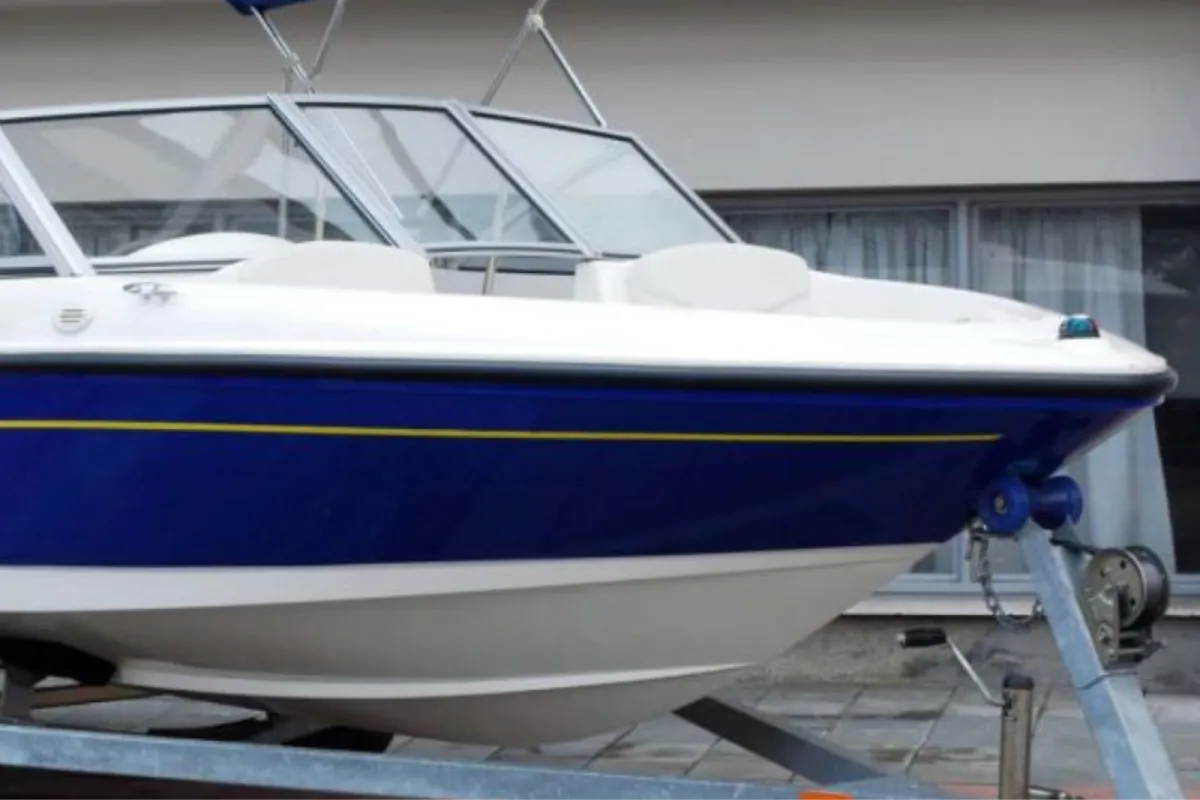
Marine Film for Boat Finish Protection
Paint protection film provides a physical barrier over selected painted surfaces, helping defend them against saltwater exposure, minor abrasions, UV rays, sand, debris, and routine marine wear.
| Protection Feature | Benefit |
| Physical barrier | Helps shield covered paint from environmental exposure |
| Impact protection | Helps reduce damage from minor abrasions and contact |
| UV protection | Helps limit direct ultraviolet exposure on covered areas |
| Surface coverage | Protects high-exposure and high-contact sections of the boat |
| Easier maintenance | Helps keep contaminants from directly contacting the paint |
Marine film is particularly useful for areas exposed to docking contact, boarding activity, water spray, sand, and debris. Common installation areas may include bow sections, gunwales, transoms, and other painted surfaces that experience frequent handling or environmental exposure.
The film does not eliminate the need for regular boat care. Fresh-water rinsing, compatible cleaning products, and periodic inspections help maintain the film’s appearance and performance over time.
Debunking the Myth: “Boat Paint Protection Film Eliminates the Need for Marine Maintenance”
A common misconception is that installing boat paint protection film means the vessel no longer needs regular cleaning or surface care. In reality, it provides an additional protective barrier, but saltwater, minerals, sand, and marine debris can still accumulate on its surface.
Proper maintenance remains essential. Freshwater rinsing helps remove salt deposits, while compatible cleaning products and gentle washing methods reduce unnecessary wear. PPF can help protect vulnerable painted areas from abrasion and environmental exposure, but it works best when combined with consistent marine maintenance.
Another misconception is that every boat needs full-coverage film. Protection can often be strategically applied to high-contact and high-exposure areas, such as bow sections, gunwales, transoms, and boarding zones. This allows the protection strategy to match how the vessel is actually used.
Applying Our Marine Protection Approach to Solve This
At Stealth Window Tint and Paint Protection, our proprietary Marine Protection Approach combines marine-grade PPF, high-performance protection, precision installation, custom-cut film, weatherproof adhesive, self-healing technology, seamless application, and a flawless finish into one customized process.
Our approach focuses on the complete protection system rather than simply applying film.
Protection Built Around Your Boat
We consider areas exposed to saltwater, UV rays, debris, docking contact, and routine handling. This allows us to identify where premium protection can provide the greatest value.
Our goal is to preserve your boat’s finish, protect your investment, and maintain a showroom gloss while supporting easier routine care. Features such as UV protection, corrosion resistance, and self-healing technology contribute to a comprehensive protection strategy.
Precision Installation and Expert Care
A high-quality result depends on more than the film itself. Our process emphasizes precision installation, custom-cut film, seamless application, and attention to detail.
With 20+ years of experience, we bring professional craftsmanship and a customer-focused approach to each project. Whether you are considering Yuba City boat paint protection film for regular marine use or preparing a vessel for increased exposure, a consultation can help identify the right solution.
How Should Boat PPF Be Maintained After Saltwater Use?
Proper maintenance helps keep marine PPF looking clean and performing as intended.
- Rinse with fresh water: Remove saltwater and loose contaminants after use.
- Clean deposits promptly: Do not allow salt and mineral residue to accumulate unnecessarily.
- Use compatible products: Follow the film manufacturer’s recommendations.
- Use soft materials: Avoid abrasive brushes and aggressive scrubbing.
- Protect film edges: Avoid excessive pressure around seams and edges.
- Inspect periodically: Look for lifting, bubbling, tears, or other changes.
Consistent care is particularly important for boats that experience frequent marine exposure.
Protect Your Boat’s Finish With Marine PPF
Saltwater is an unavoidable part of boating, but painted surfaces do not have to remain completely exposed. Marine-grade PPF provides a physical barrier that helps protect covered areas from saltwater, UV exposure, contamination, and everyday marine wear.
At Stealth Window Tint and Paint Protection, our Marine Protection Approach combines premium materials, advanced technology, precision installation, and expert craftsmanship to create customized marine protection.
If you are considering boat paint protection film or want professional guidance for your vessel, contact us for a free quote or consultation. We can evaluate your boat, identify high-exposure areas, and recommend a protection solution tailored to your needs.
Frequently Asked Questions
Can saltwater damage boat paint protection film?
Quality marine-grade PPF is designed to withstand environmental exposure, including saltwater. Regular rinsing and proper maintenance help keep the film in good condition.
Does boat PPF prevent saltwater from reaching the paint?
PPF creates a physical barrier over the areas it covers, reducing direct contact between saltwater and the underlying paint. Uncovered areas remain exposed.
Can I leave my boat in saltwater with PPF installed?
PPF can provide additional protection during marine use, but it does not eliminate the need for proper boat maintenance and freshwater rinsing.
Does PPF protect boats from UV rays?
Certain PPF products provide UV protection for covered surfaces. Always review the specifications of the specific film being installed.
Is marine PPF better than ceramic coating?
They serve different purposes. PPF provides a physical protective layer, while ceramic coating primarily enhances surface characteristics such as gloss and water behavior.